





TPE - Thermoplastic Elastomers
TPE - Thermoplastic Elastomers
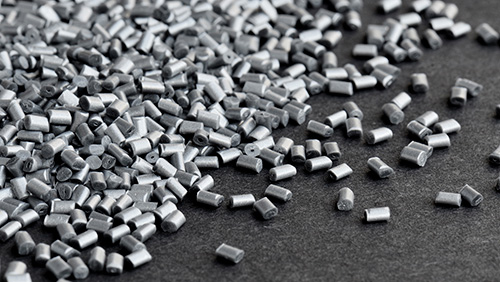
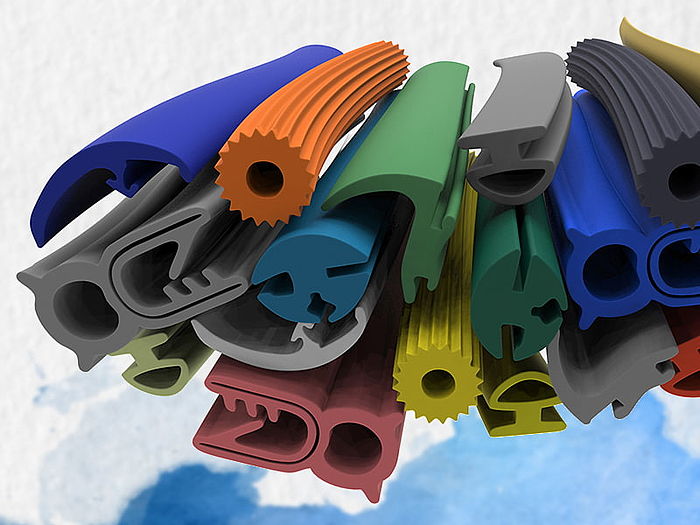
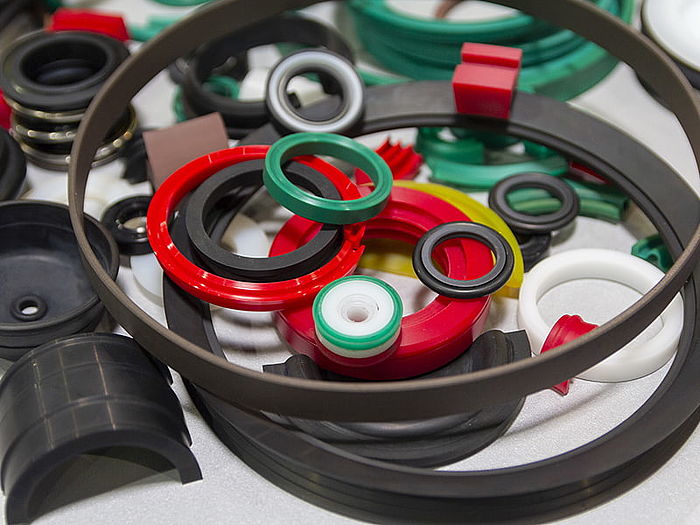
The position of thermoplastic elastomers ("TPE") within the material group of polymers is defined very differently in application and by manufacturers. In their basic description, they are presented as a combination (incompatible blends) of meltable (purely thermoplastic) and elastic (soft and/or chemically wide-meshed crosslinked) areas of different polymers, or they are classified as copolymers with formed characteristic individual areas between the groups of thermoplastics and elastomers. The ability to melt process and thermoplastically recycle these highly elastic materials has opened up interesting areas of application previously reserved for elastomers. In any case, it is important to understand that TPEs always remain thermoplastic and cannot follow blanket cross-linked elastic materials in any temperature range.

Services
Interesting facts about thermoplastic elastomers (TPE)
- Behavior at room temperature
TPEs behave like elastomers, i.e. like elastic materials.
- Moldability under heat
When heated, TPEs become malleable and can be processed like thermoplastics.
- Processing and recycling
TPEs can be processed via the melt and thermoplastically recycled.
- Blends
TPEs can be present as blends, i.e. as alloys between a plastic matrix
and a soft material such as elastomers.
- Block copolymers
TPEs can also exist as block copolymers, in which the molecular chains
consist of hard and soft areas.
State-of-the-art equipment for best results and products
In our state-of-the-art laboratories, we conduct research into the materials of tomorrow. We work closely with industry to make many good products even better and, above all, more sustainable. Challenge us. Together we will find a solution to your problem.





Technical equipment
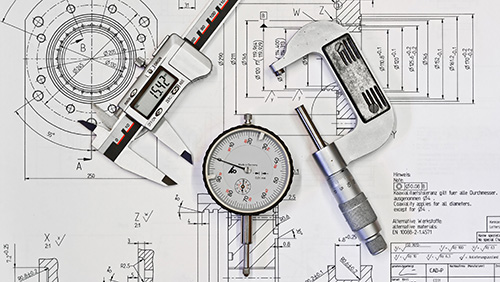
In the Material Development group, we offer a wide range of different characterization methods that help to illuminate your materials in detail.
Especially for the group of thermoplastic elastomers, we will be happy to provide you with an overview of mechanical performance and media resistance. All common test methods for density, hardness, compression set, tensile and tear properties are available. In addition, we can measure the material properties according to the "Temperature Scanning Stress Relaxation" TSSR method, which has proven its correlation to DVR values in current research work and is becoming more and more established.