

Search standard for testing available at SKZ


Root Resistance
Root Resistance
Green roofs are not only green oases in the city, but also serve a variety of other functions and have diverse effects on their surroundings. They can create additional green spaces and open areas in limited spaces, provide areas for species-rich habitats, and reduce the physical, chemical, and biological stress on the roof—to name just a few benefits 1.
It is particularly important to use high-quality materials properly to ensure a durable waterproofing system. For this reason, membranes and coatings used in this application must meet specific requirements for root resistance. Since past experience has shown that mechanical tests on membranes and coatings are insufficient to assess root resistance, a “Method for Testing the Root Penetration Resistance of Root-Barrier Membranes” was developed as early as 1984 1.
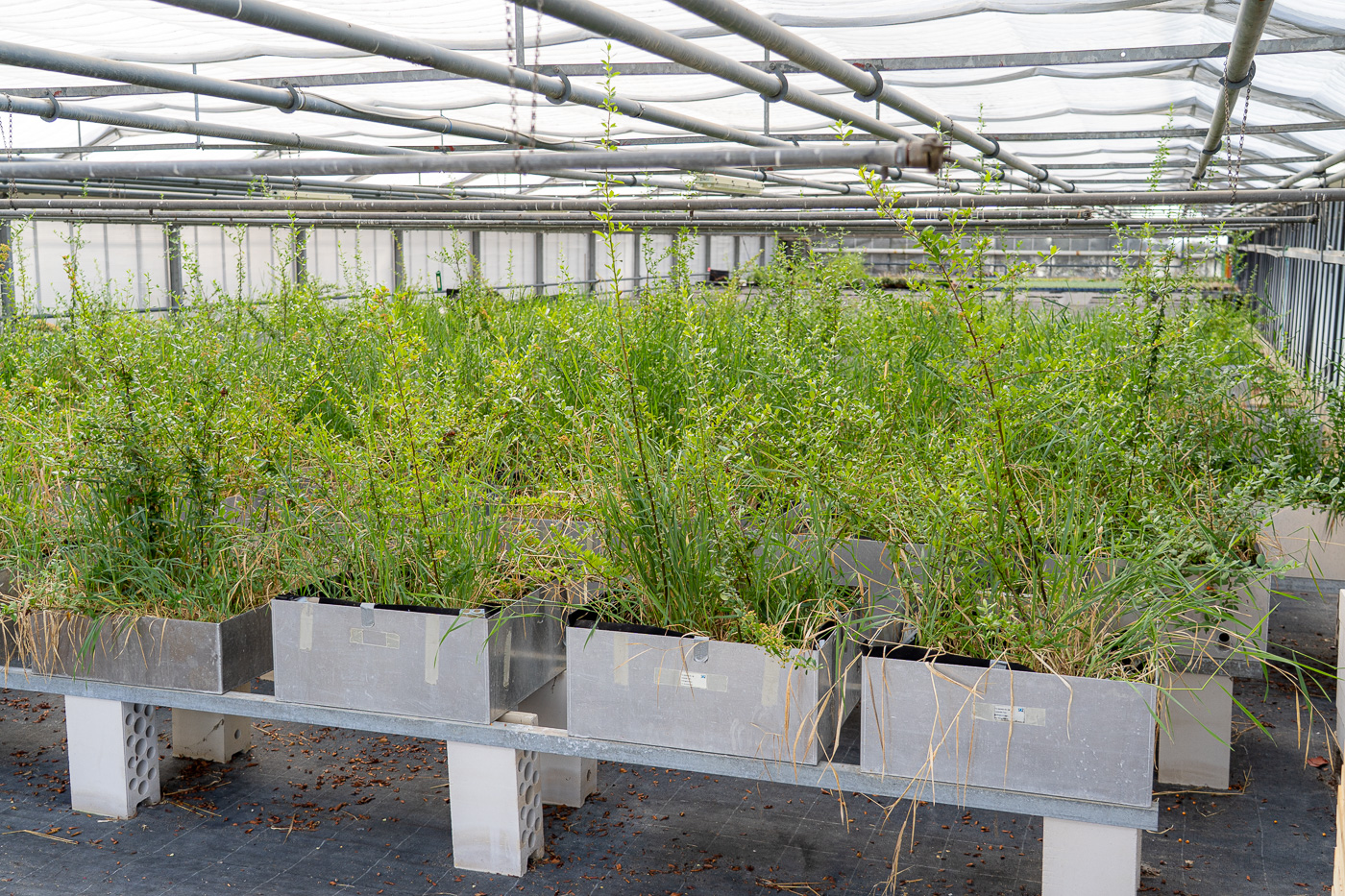
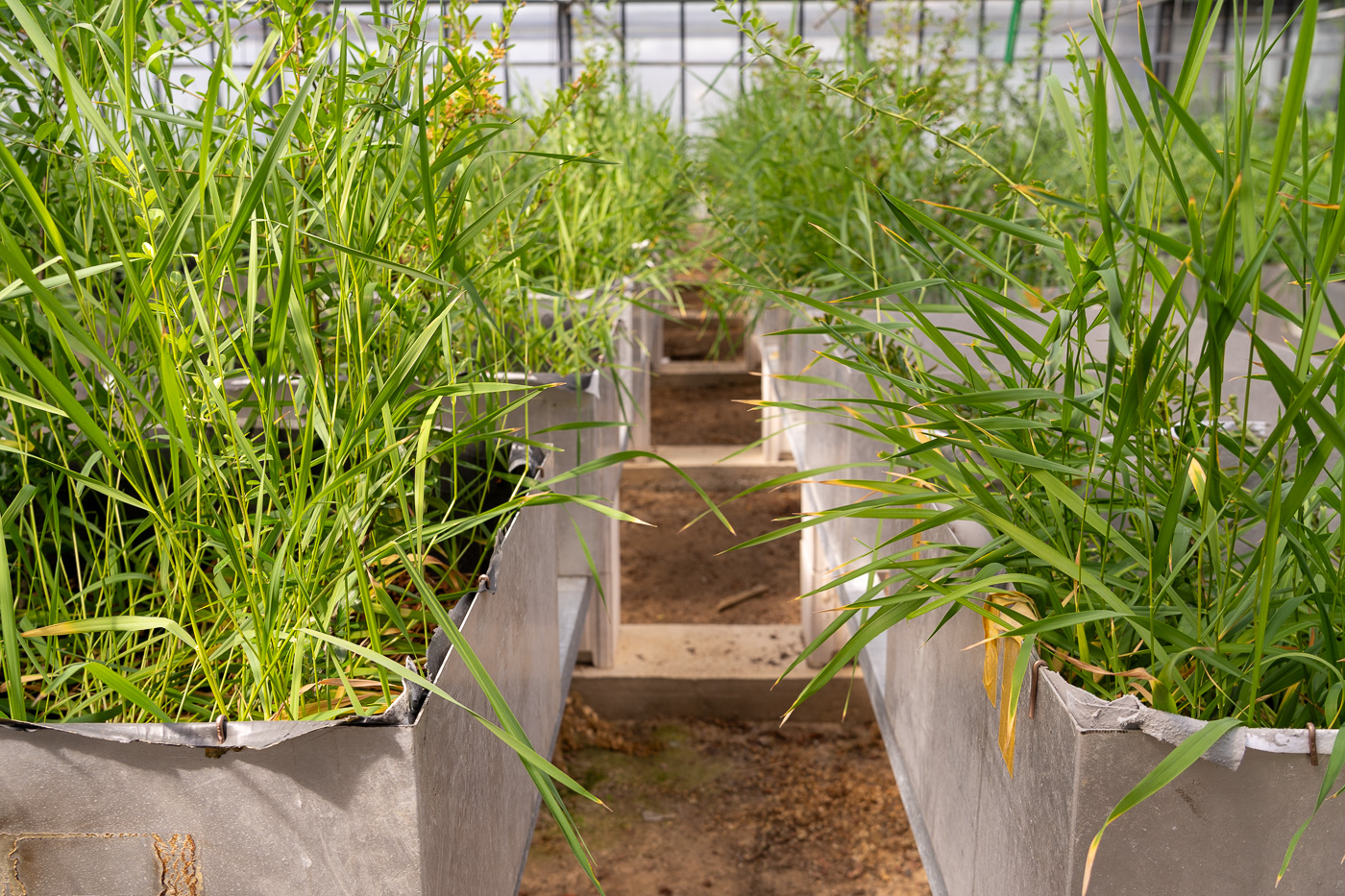
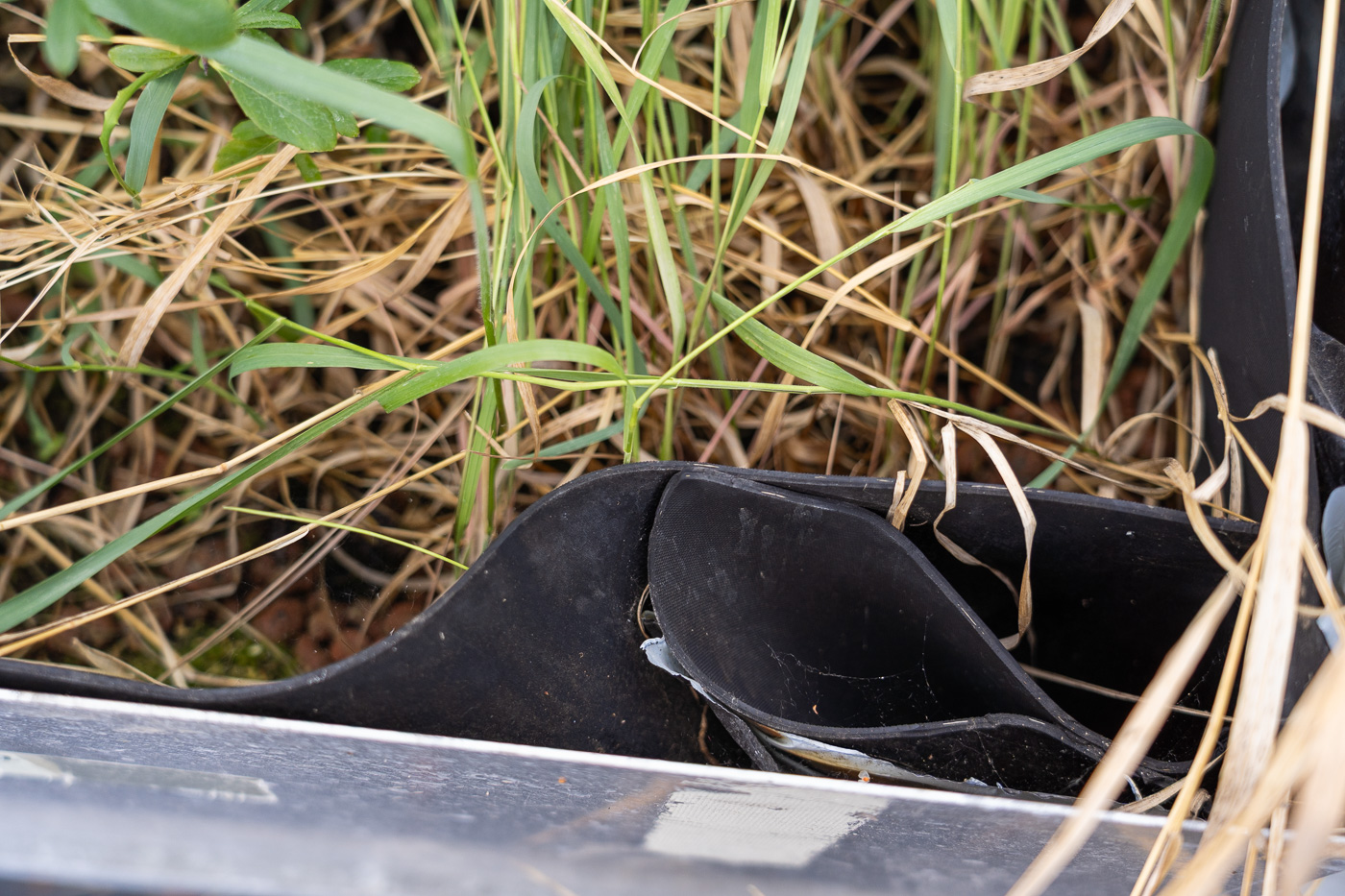
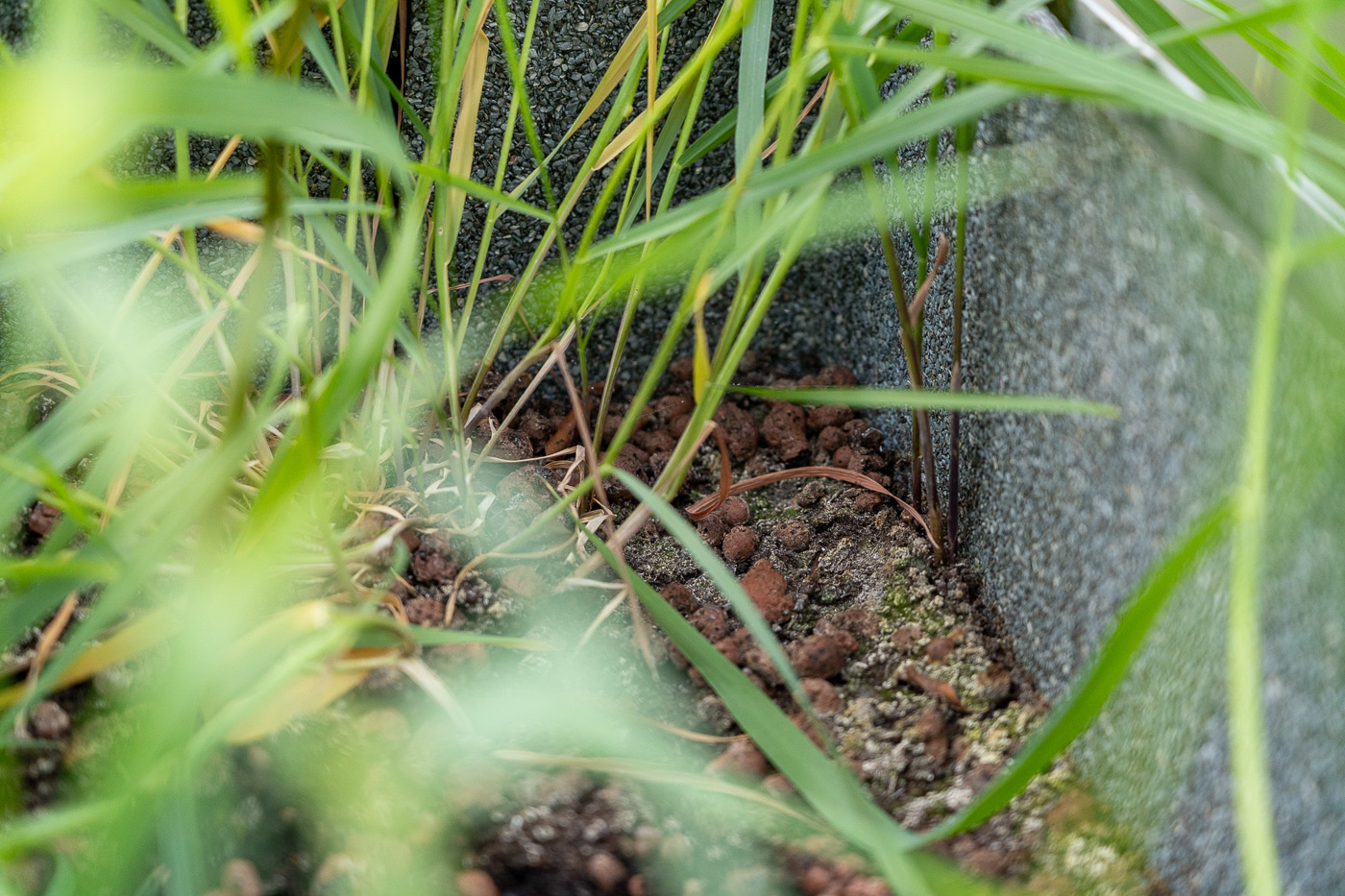
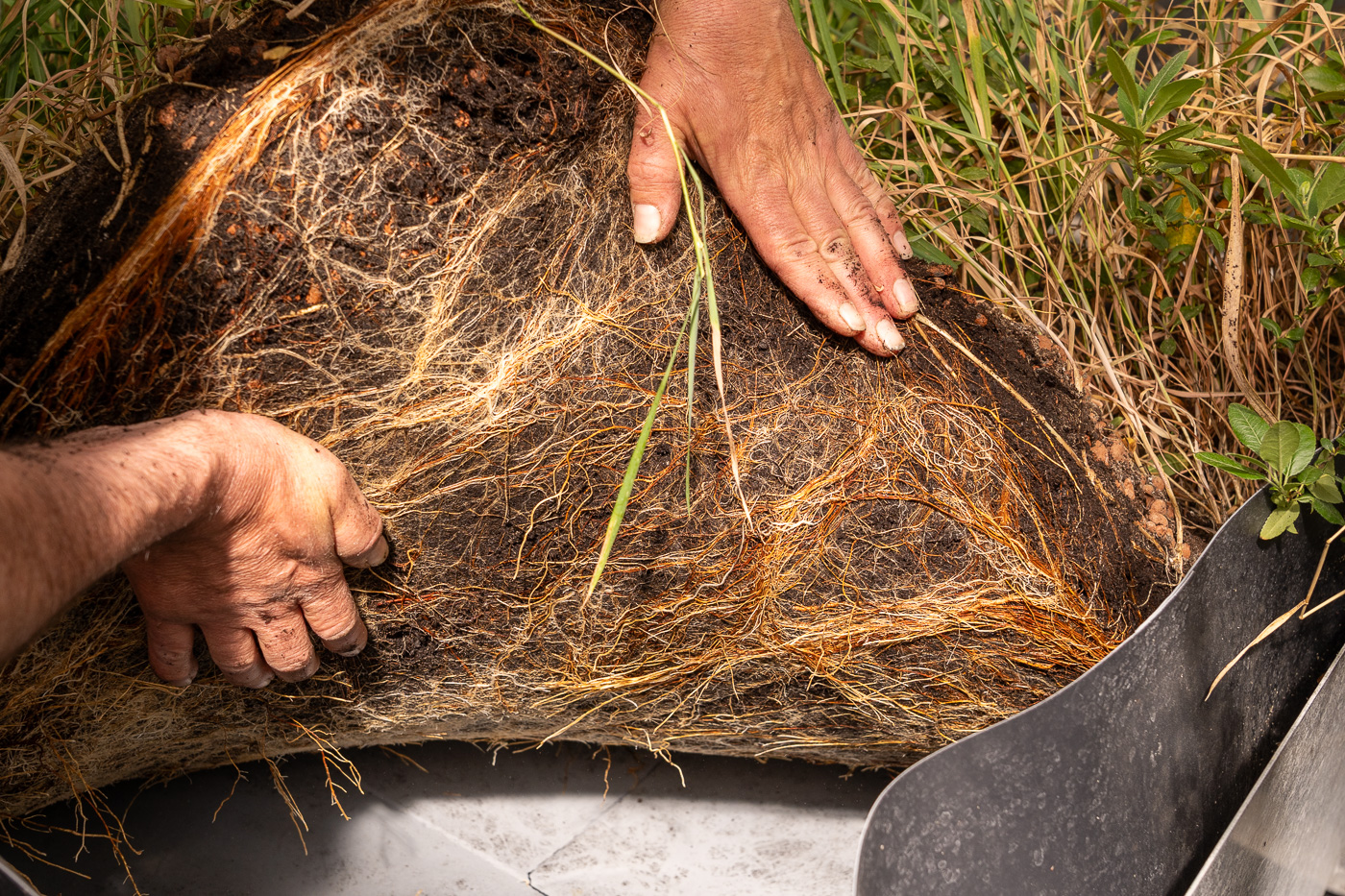
Today, the root resistance of membranes and coatings used in green roofs is tested in accordance with the updated Green Roof Guidelines of the Forschungsgesellschaft Landschaftsentwicklung Landschaftsbau e. V. (FLL) or DIN EN 13948. In these tests, the relevant waterproofing membranes or coatings are professionally installed in planting troughs. These are planted with the ornamental shrub firethorn (Pyracantha coccinea) and the native grass couch grass (Agropyron repens) for the 2-year test. During interim assessments and at the end of the test period, root and rhizome penetration is evaluated, and the certificates “root-resistant” or “rhizome-resistant against couch grass” are issued upon successful completion of the test 1,2.
In accordance with DIN EN 13948 for determining root resistance, the planting troughs are planted exclusively with firethorn. Thus, passing a test in accordance with the green roof guideline also implies passing DIN EN 13948 1,3.
The SKZ is currently the only testing laboratory capable of determining the rhizome resistance of waterproofing membranes. Here, using common reed (Pragmites australis) and a customized installation in the planting troughs, a real-world installation scenario is simulated in which approximately 2 m² of waterproofing membrane with a 5 m seam length can be tested per trough. The rhizome resistance of such membranes exceeds that of roof waterproofing membranes, as reed plants can exert significantly stronger rhizome growth on water-retaining membranes 2,4.
On August 1, 2017, the SKZ put a greenhouse into operation. This allows for year-round testing of plastic products using various test plants. In conjunction with its accreditation by the Forschungsgesellschaft Landschaftsentwicklung Landschaftsbau e.V. (FLL), the SKZ now offers testing of the “root resistance of membranes and coatings for green roofs” in accordance with FLL guidelines or DIN EN 13948.
In addition to the tests described here, the SKZ conducts further root resistance tests. For example, in the field of geosynthetic membrane systems, the lupine test is performed in accordance with DIN CEN/TS 14416 5.
Furthermore, in accordance with FLL guidelines, waterproofing systems can also be tested using other test plants with even more vigorous rhizome growth. These include, for example, bamboo species often used for landscaping purposes, such as Phyllostachys aureosulcata f. aureocaulis 6.
Finally, the expertise developed in the field of root resistance will be used to test other products as well. These include, for example, seals for wastewater pipes and sewers to prevent root ingrowth.
In this project, we are testing:
- “Method for Testing the Root Resistance of Membranes and Coatings for Green Roofs” in accordance with the Green Roof Guidelines of the Forschungsgesellschaft Landschaftsentwicklung Landschaftsbau e. V. (FLL), Appendix C
- DIN EN 13948 “Waterproofing membranes—Bitumen, plastic, and elastomer membranes for roof waterproofing—Determination of resistance to root penetration”
- Testing according to individual requirements, e.g., testing of components, pipe systems, or similar items.
Sources:
- [1] “Method for Testing the Root Resistance of Membranes and Coatings for Green Roofs” in accordance with the Green Roof Guidelines of the Forschungsgesellschaft Landschaftsentwicklung Landschaftsbau e. V. (FLL), Appendix C (2018)
- [2] “Recommendations for the Design, Construction, and Maintenance of Water-Retaining Systems in Garden, Landscape, and Sports Field Construction” by the Research Association for Landscape Development and Landscape Construction (FLL) (2005)
- [3] DIN EN 13948 (2008-01) “Waterproofing Membranes—Bituminous, Plastic, and Elastomeric Membranes for Roof Waterproofing—Determination of Resistance to Root Penetration”
- [4] M. Jauch; Water Bodies in Landscape Construction: Where Waterproofing, Roots, and Rhizomes Meet; Neue Landschaft; 05/2013
- [5] DIN CEN/TS 14416 (2014-05) “Geosynthetic Waterproofing Membranes—Test Methods for Determining Resistance to Roots”
- [6] M. Jauch; Resistance of Root Barrier Membranes for Green Roofs to Bamboo Rhizomes; Annual Report, Weihenstephan University of Applied Sciences (2006)


97076 Würzburg
Telefon: +49 931 4104-0
E-Mail: info@skz.de
Route berechnen
97082 Würzburg
Telefon: +49 931 4104-123
E-Mail: training@skz.de
Route berechnen
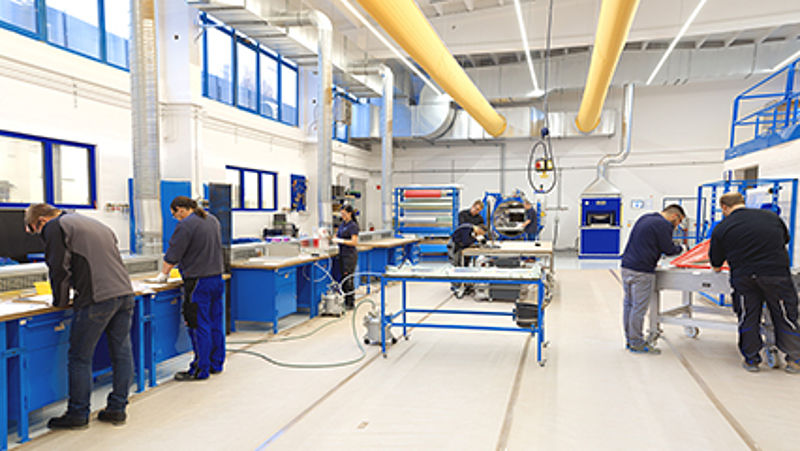
Köthener Str. 33a
06118 Halle (Saale)
Telefon: +49 345 53045-0
E-Mail: halle@skz.de
Route berechnen
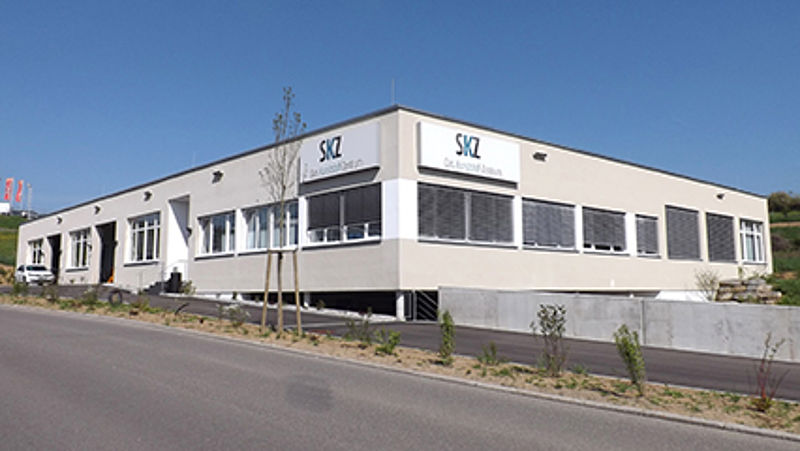
Rauher Grund 9
72160 Horb am Neckar
Telefon: +49 7451 62457-0
E-Mail: horb@skz.de
Route berechnen
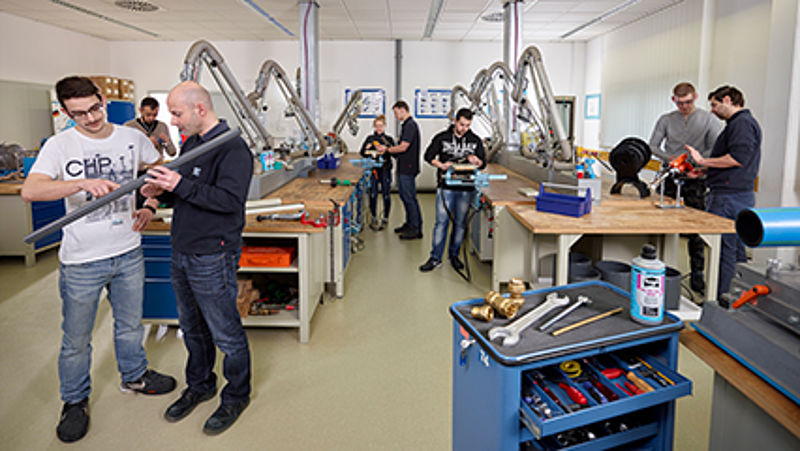
Woltorfer Str. 77, Halle G
31224 Peine
Telefon: +49 5171 48935
E-Mail: peine@skz.de
Route berechnen
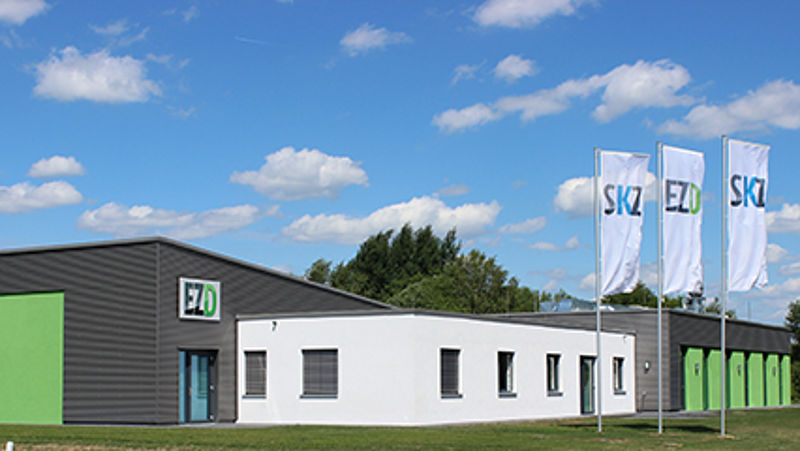
Weißenbacher Str. 86
95100 Selb
Telefon: +49 9287 99880-0
E-Mail: ezd@skz.de
Route berechnen

Via Buonarotti 175
20900 Monza, Italy
Telefon: +39 039 281561
E-Mail: info@prochema.it
Route berechnen

Str. Iancu Jianu, nr. 26
500178 Braşov, Romania
Telefon: +40 268 412 559
E-Mail: office@plastics-bavaria.ro
Route berechnen
Muntazah Complex (Exit - 25)
Jebel Ali Village - Dubai (VAE)
Telefon: +971 4 8845001
E-Mail: info@skz-me.com
Route berechnen

Ul. Kwiatkowskiego 5a
52-407 Breslau, Poland
Telefon: +48 71 35 84 000
E-Mail: dopak@dopak.pl
Route berechnen

Ikitelli OSB Demirciler Sanayi Sitesi, E2 Blok No:420
34490 Başakşehir İstanbul | Turkey
Telefon: +902126718170
E-Mail: info@polmakplastik.com
Route berechnen

SKZ – Testing GmbH
Technologie-Zentrum
Friedrich-Bergius-Ring 22
97076 Würzburg
Tel. +49 931 4104-0